The end of the financial year is a critical period for small business owners across the UK. It is the point where financial records must accurately reflect the performance of the business, tax obligations need to be finalised, and statutory requirements must be met. Without proper preparation, this period can feel overwhelming, particularly when balancing day-to-day operations alongside compliance responsibilities. A structured year end accounting checklist provides clarity, helping businesses organise their finances, stay compliant with HMRC requirements, and approach the new financial year with confidence.
For sole traders and limited companies alike, year-end accounting is not just about filing returns. It is an opportunity to review financial health, identify efficiencies, and ensure records are robust and accurate. With professional oversight and careful planning, the process becomes far more manageable and far less stressful.
Understanding the UK Financial Year and Year-End Responsibilities
In the UK, the financial year for individuals and sole traders typically runs from 6 April to 5 April, aligning with the tax year. Limited companies, however, operate around an accounting period that usually spans 12 months from incorporation, although this can be adjusted in subsequent years. Regardless of structure, businesses must meet HMRC year-end requirements and, where applicable, Companies House filing obligations.
Year-end responsibilities include preparing accurate financial statements, reconciling accounts, submitting tax returns, and ensuring that records comply with statutory standards. Understanding these timelines is essential, as missed deadlines can disrupt cash flow planning and create unnecessary complications later.
Why Year-End Accounts Matter for Small Businesses
Year-end accounts provide a clear and reliable snapshot of a business’s financial position. They form the basis of tax calculations and offer valuable insight into performance over the previous year. For UK small businesses, accurate year-end financial reporting supports informed decision-making, improves transparency, and strengthens credibility with lenders or stakeholders.
Beyond compliance, year-end accounts highlight trends in income and expenditure, reveal areas where costs can be controlled, and support realistic forecasting. When prepared correctly, they give business owners confidence that their finances are in order and aligned with their long-term goals.
Organising Accounting Documents Needed at Year End
Adequate year-end preparation begins with organising financial records. Ensuring that all documentation is complete and accessible makes the entire process smoother and reduces the likelihood of errors.
Key documents typically include bank statements, sales invoices, purchase receipts, loan statements, payroll records, and pension contributions. VAT-registered businesses also need up-to-date VAT year-end records. Maintaining precise record keeping for HMRC throughout the year significantly reduces pressure at this stage and ensures figures can be verified quickly if queried.
Reconciling Accounts and Verifying Transactions
Reconciling accounts is one of the most critical steps in the year-end close process. This involves checking that internal records match external statements, such as bank accounts, credit cards, and loan balances. Accurate reconciliation of accounts ensures that no income or expenditure has been missed or duplicated.
Accounts payable reconciliation confirms that supplier balances are correct, while accounts receivable reconciliation ensures that outstanding customer invoices are accurately reflected. These steps directly impact the accuracy of the profit performance report and cash flow report, making them essential for reliable reporting.

Preparing Core Financial Statements
Once records are reconciled, attention turns to preparing the core financial statements. These documents form the foundation of small business year-end accounts and are required for both tax and statutory purposes.
The profit and loss statement summarises income and expenses over the accounting period, showing whether the business has generated a profit. Balance sheet preparation provides a snapshot of assets, liabilities, and equity at year’s end, while the cash flow statement illustrates how money has moved through the business. Together, these statements offer a comprehensive view of financial performance and stability.
Applying Adjustments and Accruals
Year-end accounts must reflect the actual financial position of the business, which often requires accrual accounting adjustments. Accruing income and expenses ensures that transactions are recorded in the correct accounting period, even if payment has not yet been made or received.
Other standard adjustments include depreciation of fixed assets and accounting for prepayments. These adjustments affect taxable profits and are particularly important when preparing a corporation tax return in the UK or a sole trader self-assessment. Careful application of these entries ensures compliance and prevents misstatements.
VAT, PAYE, and Payroll Considerations
For VAT-registered businesses, year-end checks should confirm that all VAT returns have been submitted accurately and in line with Making Tax Digital requirements. Any discrepancies between VAT records and accounting figures should be resolved before finalising accounts.
Payroll records also require review. PAYE year-end reporting must reflect correct pay, tax, and National Insurance contributions for employees and directors. Ensuring payroll data is accurate supports compliance and avoids complications in the new financial year.
Reviewing End-of-Year Business Finances
Year-end accounting is not only about compliance; it is also an opportunity to assess the year’s business finances. Reviewing financial statements against budgets and forecasts helps identify strengths and areas for improvement. Cash flow patterns, profit margins, and cost trends become clearer when viewed across the whole accounting period.
This review supports better planning for the year ahead, allowing businesses to set realistic budgets, manage cash flow more effectively, and align financial strategy with operational goals.
Differences Between Sole Traders and Limited Companies
Year-end obligations differ depending on business structure. Sole traders focus primarily on preparing accurate records for self-assessment, ensuring that income and allowable expenses are correctly reported. Limited companies, on the other hand, must prepare limited company statutory accounts, file with Companies House, and submit corporation tax returns to HMRC.
Understanding these distinctions ensures that the correct documents are prepared and submitted on time. Tailoring the year-end process to the business structure helps avoid confusion and ensures full compliance.
The Value of Professional Year-End Support
Many small businesses choose professional accounting support to manage year-end responsibilities with confidence. Expert oversight ensures that financial statements preparation is accurate, deadlines are met, and tax positions are optimised within HMRC guidelines.
Royston Parkin provides personalised accounting, bookkeeping, and tax planning services designed around UK regulations and the practical needs of small businesses. This structured approach helps reduce stress, improve financial clarity, and support long-term stability.
Conclusion
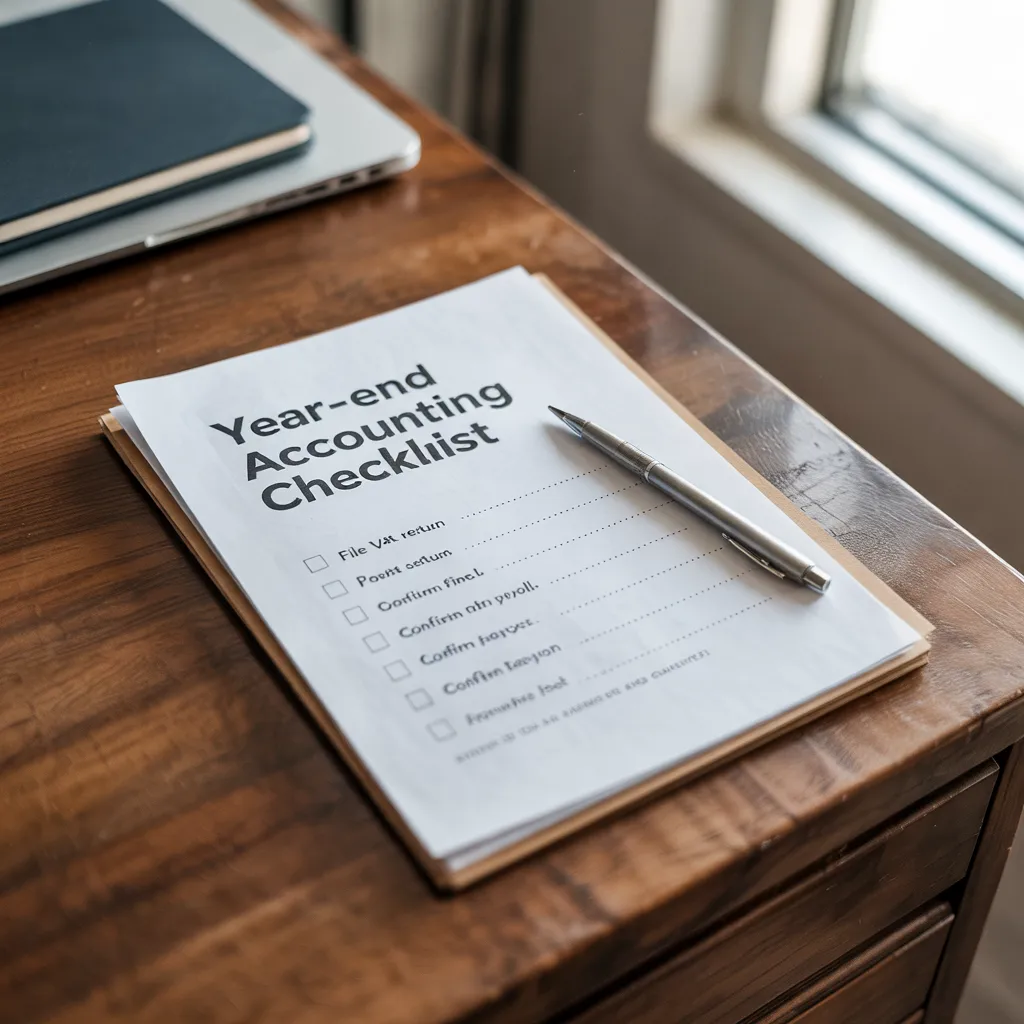
A well-organised year-end accounting checklist plays a vital role in helping UK small businesses stay compliant, financially informed, and prepared for the future. Accurate records, thorough reconciliations, and careful preparation of financial statements provide clarity and confidence at a critical point in the financial year. With professional accounting support from Royston Parkin, businesses benefit from reliable oversight, HMRC-compliant processes, and tailored advice that supports sustainable growth and sound financial management.